Illustrative sewer construction with crawler crane in London, not a Denver project. · Image credits
Sewer Repair Methods Compared
When a private sewer tap or service line fails, Denver property owners are responsible for the repair. This page compares the general repair methods you may hear from a licensed plumbing company, so you can ask better questions before work begins. It is not a contractor recommendation, a price guide, or a substitute for a licensed professional's assessment of your property.
Cured-in-place pipe (CIPP) relining
Cured-in-place pipe is a trenchless method in which a liner is installed inside the existing sewer pipe and cured in place, rather than replacing the pipe by open excavation. Arlington County, Virginia describes its municipal process as including cleaning and video inspection before lining, and restoring lateral connections afterward.
Ask the licensed plumbing professional whether the observed condition permits lining, and request the inspection evidence supporting that recommendation. The method generally requires less surface disruption than full excavation, but it is not suitable for every pipe condition.
Source: Arlington County, Virginia — Sanitary Sewer Relining. This is a general process description from another municipality, not a Denver inspection standard or a guarantee of suitability for your property.
Pipe bursting
Pipe bursting is a replacement method, not a repair. A tool breaks the existing pipe while drawing a new pipe into place. The City of Portland, Oregon describes it as using access pits rather than a continuous trench, though excavations, connections, inspections, and surface restoration can still be involved.
Ask the licensed plumbing professional to explain whether replacement is necessary and why the proposed approach suits the inspected line. It still requires access points and may involve more digging than CIPP, depending on the site.
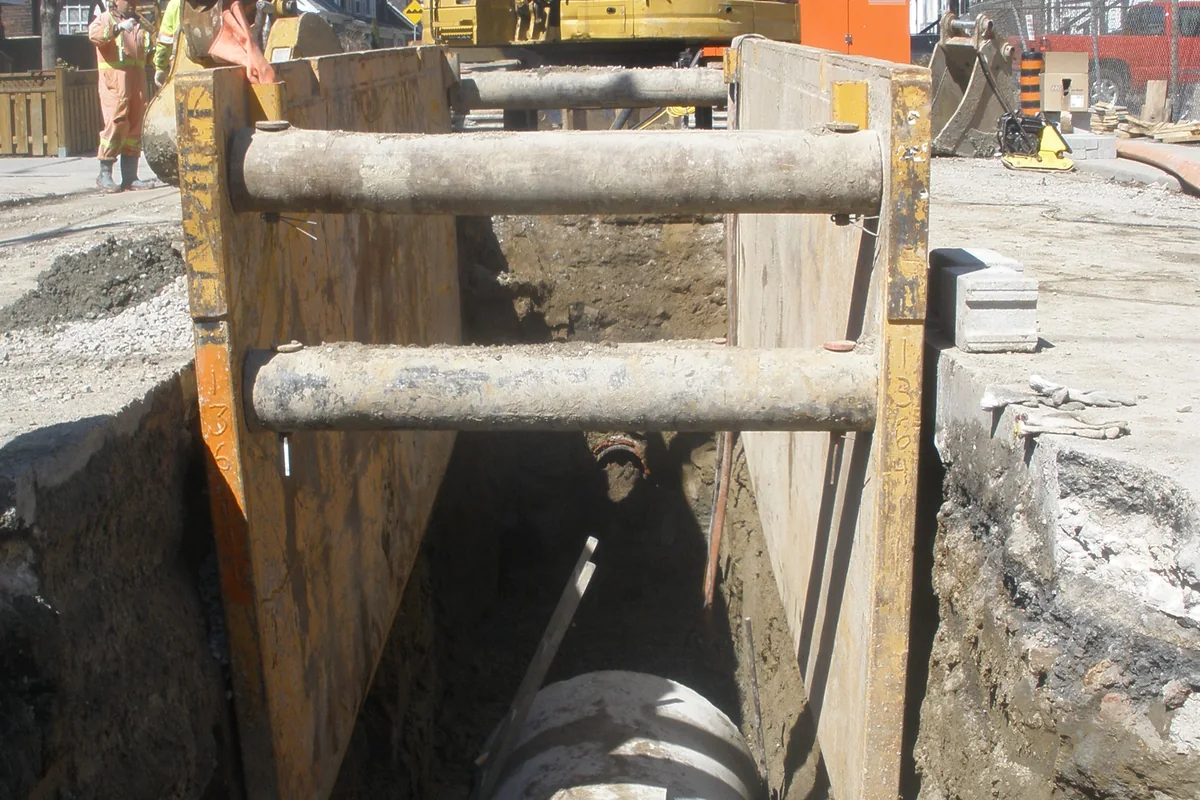
Open excavation is the traditional method: the failed section of pipe is dug up, removed, and replaced with new pipe, then the trench is backfilled and the surface restored. A licensed professional must assess whether this approach is suitable for the inspected property.
Ask each bidder to describe the excavation and surface restoration included in the actual scope. The exact scope depends on depth, soil, access, and the length of pipe being replaced.
No single source in this site's foundation describes open excavation in detail; the description above is a general explanation of the method. Ask your licensed plumbing company for a site-specific scope.
Who is responsible for what in Denver
The City and County of Denver is responsible only for main public sewers. A property's private tap or service line is the property owner's responsibility, according to the city's Department of Transportation and Infrastructure (DOTI), Wastewater Management Division. For locating a private sewer tap or service line, the city recommends hiring a licensed plumbing company.
If you report a sewer backup to the city at (303) 446-3400, Wastewater personnel will service the problem if it is in the city line. If it is in the private line, the owner is responsible for contacting a plumber and repairing the damage.
This site does not publish prices, cost estimates, or contractor recommendations. Property-specific eligibility, required Denver permits, work scope, inspection standards, local prices, and contractor availability remain unverified. Ask the actual licensed professional and the municipality before making decisions.
Repair-method suitability depends on pipe material, age, depth, soil, access, and the specific defect found during a camera inspection. A method that works for one Denver home may not work for another.
Next steps
Before comparing repair methods, you need to know what is wrong with your line. Start with the inspection page to understand what a camera inspection can and cannot show. Then use the estimate-comparison worksheet to record what each licensed plumbing company proposes, including the method, the scope, and the questions you still need answered.
For city and utility responsibility details, see the Denver resources page. For information about this site's publisher and its limits, see about and contact.
This page is part of an independent homeowner information resource published by NovCog / NovelCognition, principal Guerin Green. It is not a contracting company and does not provide emergency response, pricing, or professional approval.
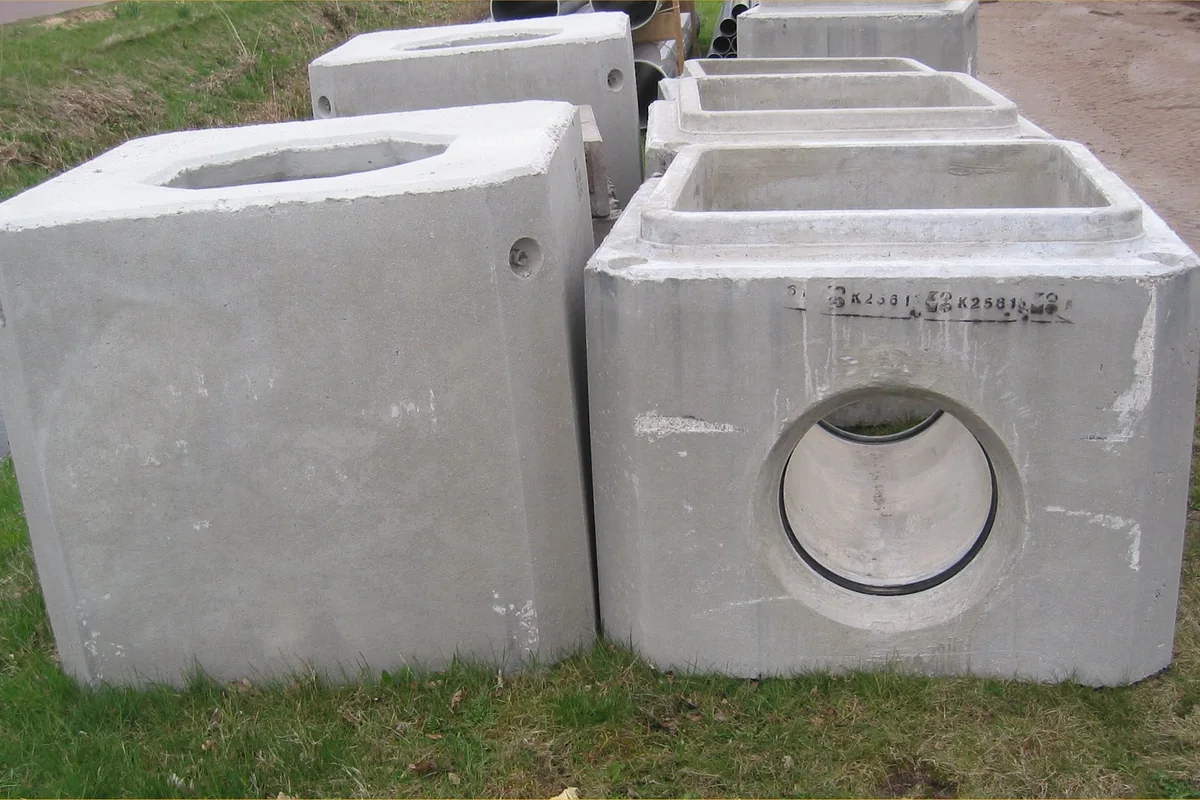
Illustrative large-diameter sewer pipe installation in Toronto, not a Denver project. · Silenzio76 · CC BY-SA 4.0Illustrative sewer manholes and pipes in the Netherlands, not a Denver project. · Rasbak · CC BY-SA 3.0